
A dream destination, a breathtaking view, a place we have always wanted to see or an experience we hope to tick off our bucket list. Travel often begins with these little dreams. But beyond the places we visit and the memories we collect, have we ever stopped to think about what our journey leaves behind?
Tourism is one of Sri Lanka’s invisible exports. Unlike countries whose export economies are largely driven by heavy manufacturing, Sri Lanka’s appeal to travellers from around the world is strongly rooted in its climatic conditions, rich biodiversity, heritage, sacred places and cultural diversity. These are among the country’s key comparative advantages in attracting international visitors.
With manufactured goods the product and many of the positive and negative impacts associated with its production can be relatively straightforward to identify. However, with service exports such as tourism the picture is more complex. While tourism generates foreign currency inflows and creates economic opportunities in the short term some of its wider concerns become more apparent over time. This is particularly important because tourism interacts with several vulnerable aspects of a country including its environmental treasures, cultural identities, local traditions and social values.
Sri Lanka is a blessed country with an abundance of natural and cultural wealth. Like many developing countries, Sri Lanka continues to navigate the vicious cycle of development challenges while striving to balance economic progress with sustainability. Existing laws, regulations and enforcement mechanisms provide an important foundation but may not yet adequately address every aspect of sustainability across the tourism sector. In such a context responsible tourism cannot rely on regulatory requirements alone. It calls for every link in the tourism supply chain to recognise its role and take responsibility not merely to meet legal obligations but out of a genuine understanding of the impact its decisions and actions can have. This is where the responsibility behind the choices made and the accountability for the actions taken by all parties in the travel and tourism sector become vital.
Is sustainability straightforward for the travel industry?
Not necessarily. What may appear to be straightforward recommendations are not always easy to translate into everyday operational practices.
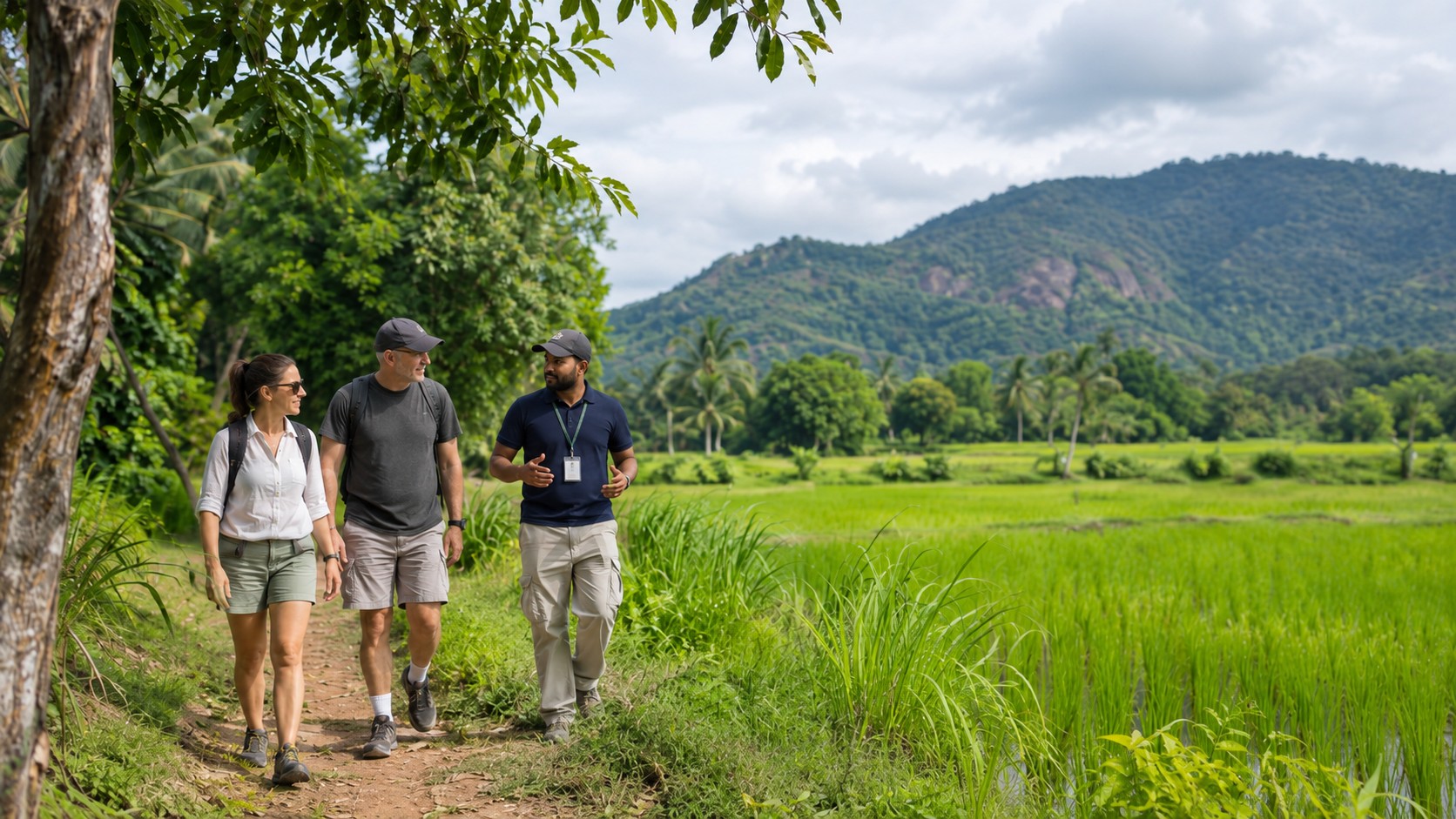
Incorporating sustainability certified hotels and including nature-based excursions or popular village walks in an itinerary are positive steps. However, these choices alone do not necessarily create the meaningful impact the sector needs to achieve. In Sri Lanka for instance, some village walks have become increasingly commercialised with experiences concentrated in certain locations or involving only a limited number of community members. While they may still offer visitors an enjoyable glimpse into local life, they may not always create the wider community benefit that responsible tourism aspires to.
The buzzword sustainability is increasingly part of the conversation, particularly in relation to certification requirements, brand reputation and catering to specific international markets. However, what needs to be understood is that the core idea goes far beyond meeting certification requirements or incorporating a few sustainable options into a travel itinerary. At its heart, sustainability is about using and managing all types of resources efficiently and responsibly, from human resources to non-renewable natural resources, while keeping the long-term consequences of today’s decisions in mind.
Does Responsible Travel in Sri Lanka Depend on How Much You Spend on a Holiday?
Whether someone is backpacking across the island, travelling on a mid-range package or enjoying a high-end tailor-made experience the responsibility towards the destination should remain the same.
Sri Lanka’s positioning as a quality destination with an emphasis on quality over quantity and attracting more conscious, high value travellers is an important part of its tourism aspirations. However, this should not translate into making responsible travel an expectation limited to a particular market segment. As a host destination, Sri Lanka also has a responsibility to create an accessible tourism environment while maintaining its own standards for how tourism is conducted. These standards should apply across the spectrum of travel, from budget-conscious backpackers to luxury travellers.
This becomes particularly relevant when we look at the expectations and pace of modern travel. With limited time at a destination, travellers may find themselves trying to fit as many places and experiences as possible into a single itinerary often resulting in fast-paced journeys focused on seeing more sites. For some, specially those visiting Sri Lanka for what may be a once-in-a-lifetime journey, there is a natural desire to see everything, experience as much as possible and make every moment count. While this enthusiasm is understandable, it can sometimes lead to a greater focus on ticking off attractions and fulfilling personal expectations than understanding the nature of the experiences being offered.
This is where the responsibility of the travel industry becomes particularly important. Meeting client expectations should not mean accommodating every request without considering its ethical, environmental or social implications. Not every experience that is commercially available is necessarily responsible, and not every activity that attracts visitor interest is appropriate to promote. The industry has an important role in guiding travellers towards experiences that respect the destination, its communities, wildlife and natural resources.
Ultimately, responsible tourism is not about restricting who gets to travel or how much they spend. It is about creating an environment where tourism remains accessible while ensuring that the standards of responsibility are not compromised to meet demand. After all, a meaningful journey should not be measured by how many places we manage to tick off our bucket lists but by the experiences we gain, the connections we make and the positive difference our presence leaves behind.